
Stone Wash vs Enzyme Wash: Key Differences Explained
Introduction to Denim Washing Techniques
Denim has become a staple in contemporary fashion, characterized by its versatility and style. Among various processing techniques, stone wash and enzyme wash rank among the most popular methods to achieve a desirable faded appearance. Although both techniques aim to enhance the aesthetic appeal of denim, they operate on vastly different principles and yield unique results.
Understanding Stone Wash
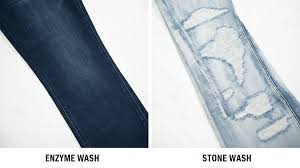
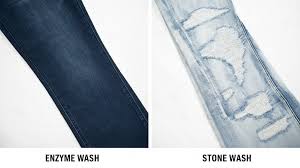
The stone wash technique employs the use of pumice stones to create a vintage, lived-in look on denim fabric. During this process, the stones help abrade the fabric, leading to the fading of the dye and enhancing the softness and comfort of the jeans. The stones tumble with the denim in large industrial washing machines, and the duration and intensity of this process can significantly influence the final appearance of the product.
Despite its popularity, stone washing can lead to substantial fabric abrasion, which impacts the longevity of the garment. Therefore, while the final product achieves a trendy aesthetic, the durability may be compromised, making it necessary to consider the balance between style and practicality.
Enzyme Wash: A Timely Alternative
On the other hand, enzyme wash utilizes specific types of enzymes to alter the structure of the indigo dye in the denim fabric. The washing process typically involves soaking the denim in a solution containing the enzymes, which work to break down the dye molecules, resulting in a subtle, naturally faded look.
This method is known for its gentler approach, resulting in less damage to the fabric. In comparison to stone washing, enzyme washing tends to produce garments that maintain their structural integrity while still achieving the desired aesthetic. Additionally, enzyme wash is generally more efficient in terms of the time and water required, leading to potential reductions in production costs.
Cost, Sustainability, and Choosing the Right Technique
From a cost perspective, enzyme wash typically has a higher upfront investment due to the specialized enzymes used; however, the overall efficiency can lead to cost-saving benefits in bulk production. It is crucial to consider that while stone wash may seem less expensive initially, the higher rates of fabric damage can lead to increased return rates, impacting long-term profitability.
Sustainability is another vital factor in the comparison of these two washing techniques. Enzyme washing is increasingly recognized for its lower environmental footprint due to reduced water waste and energy consumption. In contrast, stone washing, with its reliance on pumice stones, poses challenges in resource sustainability.
In conclusion, understanding the nuances of stone wash and enzyme wash empowers manufacturers and consumers alike to make informed decisions that align with their values and needs in the fashion industry. The right washing technique not only impacts product quality but also plays a critical role in shaping the environmental landscape of denim production.