
Enzyme Wash Process Explained Simply
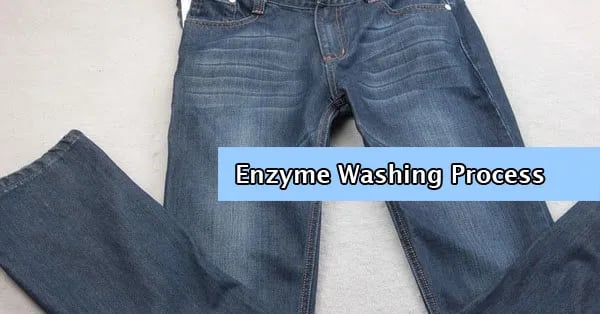

Understanding Enzyme Washing in Denim Production
Enzyme washing is a modern technique employed in the denim manufacturing process, characterized by the use of specific enzymes to treat fabric. This method has gained prominence due to its ability to achieve a desirable aesthetic and tactile finish in denim garments without the severe environmental impacts associated with traditional washing processes.
The enzyme wash process works by utilizing naturally occurring enzymes that break down cellulose fibers in the denim. This controlled action results in a softening of the fabric, providing a worn-in look that is highly sought after by consumers. One of the significant advantages of enzyme washing compared to traditional stone washing is its reduced water consumption and energy usage, making it a more sustainable option for manufacturers.
Furthermore, enzyme treatments can be tailored to achieve various effects, from subtle fades to more dramatic vintage looks. This versatility allows designers to meet diverse consumer preferences while maintaining high-quality standards. Additionally, by replacing harsher chemical treatments with bioengineering methods, enzyme washing contributes to a decrease in pollution and waste during production, aligning with the increasing demand for environmentally friendly fashion.
Consumers and manufacturers are increasingly aware of the benefits associated with enzyme washing. For producers, this technique not only enhances product quality but also helps in streamlining production processes, ultimately leading to cost savings. For consumers, garments processed with enzyme washes tend to have superior comfort and a more refined appearance, reflecting the latest trends in denim fashion.
In summary, enzyme washing represents a significant advancement in denim production, combining efficiency, sustainability, and aesthetic appeal, making it a preferred choice in the contemporary textile industry.
What Is an Enzyme Wash?
An enzyme wash is a textile treatment used primarily in the denim industry that employs enzymes to alter the appearance and properties of the fabric. This process utilizes specific enzymes, particularly cellulases, to modify the surface of cotton fibers. The cellulase enzymes break down cellulose, the structural component of cotton, leading to significant changes in the fabric's texture and appearance. By targeting the cellulose specifically, these enzymes help to create a softer feel and achieve a worn-in look on denim garments without the harsh effects of traditional washing techniques.
The biochemical process begins when cellulase enzymes attach to the cellulose fibers present in the denim. Through a series of enzymatic reactions, the enzymes hydrolyze the cellulose, breaking it down into smaller sugar units. This action removes the protruding fibers on the denim's surface, resulting in a smoother texture that enhances the fabric's wearability. Furthermore, this action mimics the natural weathering effects that occur over time, thereby providing a more authentic vintage appearance to the garment.
In addition to aesthetic benefits, the enzyme wash process is also aligned with eco-friendly practices. Since it reduces the need for harsh chemical treatments and excessive water usage, it offers a more sustainable option in denim production. The scientific principles behind enzyme action demonstrate how these biological catalysts can efficiently transform fabric properties while minimizing environmental impact. Overall, enzyme washing stands as a testament to the integration of biochemistry into modern textile manufacturing, revolutionizing how denim is treated and perceived.
Step-by-Step Overview of the Enzyme Wash Process
The enzyme wash process is a sophisticated method used primarily in the textile industry to enhance the quality of denim fabric while preserving its natural aesthetics. This process begins with desizing, which is crucial for removing any sizing agents applied during the manufacturing of the fabric. This initial step ensures that the fabric is clean and ready to undergo the application of the enzyme solution.
Following desizing, the next phase involves the application of the enzyme solution. Enzymes are biological catalysts that facilitate the breakdown of cellulose fibers within the fabric. The choice of enzymes and their concentration plays a significant role in determining the intensity of the wash, impacting the fading and softening effects. This solution is evenly applied to ensure consistent treatment across the fabric.
The subsequent stage is known as the running wash process, where the fabric is agitated in water at controlled temperatures, typically ranging from 50°C to 60°C (122°F to 140°F). Maintaining these temperatures is vital for optimal enzyme activity, as they significantly enhance the interaction between the enzymes and the cellulose within the fabric. The duration of this wash can vary based on the desired effect, and it typically lasts from 30 to 90 minutes.
Finally, after the running wash, the fabric undergoes a thorough rinsing process. This step removes any residual enzyme solution and ensures that the fabric is free of any unwanted chemicals. Following rinsing, a softening stage is carried out, where softening agents are applied to improve the hand feel of the denim. Each of these steps plays a pivotal role in achieving the desired aesthetic and tactile qualities of the finished denim product, demonstrating the intricate nature of the enzyme wash process.
Advantages of Enzyme Washing Over Traditional Methods
The enzyme wash process has gained significant traction in the denim industry due to its numerous advantages over traditional methods such as stone washing. One major benefit of enzyme washing is its ability to achieve a remarkably soft hand feel for the fabric. Unlike stone washing, which can leave garments feeling coarse and rough, enzyme treatment tenderizes the material, enhancing the overall comfort of the denim.
Another key advantage lies in the reduced fabric damage associated with enzyme washes. Traditional stone washing is infamous for causing substantial wear and tear on the denim fibers, which can lead to unwanted fraying and reduced garment longevity. In contrast, enzymes work by breaking down the cellulose in cotton fibers gently, leading to a more controlled finish that maintains the integrity of the material. This careful approach results not only in less damage but also preserves the original structure of the jeans.
The environmental impact of garment production is a growing concern, and enzyme washing presents several eco-friendly benefits that are crucial in today's sustainable fashion landscape. Enzyme treatments require significantly less water compared to traditional methods. In fact, water use can be reduced by as much as 50% with enzyme washes, addressing one of the industry's major challenges. Moreover, these washes minimize the need for harmful chemicals, reducing chemical pollution in the environment. By implementing enzyme washing, manufacturers can align their processes with sustainable practices, ultimately appealing to an increasingly environmentally conscious consumer base.
Overall, enzyme washing offers a compelling alternative to traditional denim finishing methods, providing softness, durability, and sustainability, making it an ideal choice for modern garment production.