
Understanding Acid Wash in Denim: A Fashion Revolution

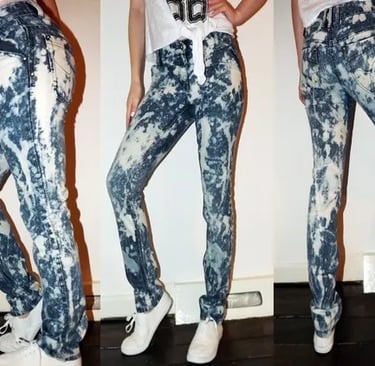
Introduction to Acid Wash Denim
Acid wash denim, a distinctive and visually striking fabric treatment, has carved a niche for itself in the fashion industry since its inception in the 1980s. This process involves using a combination of bleach and stones to create a subtle fading effect, resulting in a high-contrast finish that significantly differs from traditional denim. The dramatic appearance achieved through acid washing allows for a versatile aesthetic that can cater to diverse fashion styles and preferences.
The origins of acid wash denim can be traced back to the early experiments by fashion designers who sought to revitalize standard denim garments. The method quickly gained traction, particularly among youth culture, as it encapsulated the rebellious spirit of the time. By the late 1980s, acid wash jeans had become a staple in mainstream fashion, embraced not only by experimental designers but also by major clothing brands. Its iconic look resonated with consumers who were eager to express individuality through distinctive apparel.
One of the key characteristics that set acid wash apart from other denim finishes is its unique blend of colors and textures. The bleaching process results in varied patterns, as the dye is removed from certain areas, giving each piece a one-of-a-kind appearance. Furthermore, the varying levels of distress and fade create a sense of depth, adding visual interest to the fabric. Acid wash denim appeals to a broad audience due to its aesthetic versatility, being suitable for casual wear or even more polished ensembles when paired thoughtfully.
In contemporary fashion, acid wash continues to enjoy popularity with several iterations. Designers regularly incorporate this iconic technique into new collections, maintaining its relevance and allure. The evolution of acid wash denim symbolizes not only a fashion trend but also a statement of cultural expression, demonstrating how materials can be manipulated to evoke feelings of nostalgia while redefining modern trends.
The Process of Creating Acid Wash Denim
Acid wash denim, known for its distinctive faded appearance, is the product of a meticulous process that combines both chemical treatment and mechanical action. This crafting technique starts with pumice stones, which are porous volcanic rocks known for their ability to lighten and distress fabric. The first step involves soaking these stones in a solution of chemicals, typically chlorine, to prepare them for the acid wash process. The chlorine interacts with the pigments in the denim, creating the characteristic bleached effect.
Once adequately treated, the pumice stones are loaded into a large industrial washing machine alongside the denim garments. The tumbling action of the washing machine causes the stones to rub against the fabric, generating random patterns of fading and distress. This tumbling process not only guarantees that the denim achieves its acid wash look but also ensures that the effects appear spontaneous—a feature that was a hallmark aim of the style.
It is interesting to note that the degree of fading and the overall look can vary significantly based on several factors, including the size and amount of pumice stones used, the concentration of the chemical solution, and the duration of the tumbling process. Designers often experiment with these elements to create different visual outcomes, ranging from subtle highlights to bold, contrasting fades. The randomness of the patterns produced means that each piece of acid wash denim is unique, further enhancing its appeal in the fashion landscape.
This artistry behind acid wash denim not only showcases the creativity of designers but also reflects a shift in denim fashion towards more personalized and expressive clothing options. By understanding the complexities involved in creating acid wash denim, consumers can appreciate the craftsmanship that goes into every individual piece.
The Resulting Aesthetic of Acid Wash Denim
The aesthetic appeal of acid wash denim is undeniably distinctive, characterized by its vibrant and dramatic appearance. This unique style arises from a specialized washing process that involves the use of chlorine and pumice stones, creating high contrast patterns that feature both light and dark shades within the fabric. Such uneven fading delivers an impression of vintage wear, making each piece of acid wash denim inherently special, as no two garments exhibit the same pattern.
The striking visual contrasts of acid wash denim offer versatility in casual wear, impacting how it is perceived and styled across various settings. For instance, the boldness of this fabric allows it to act as a statement piece. When paired with neutral tops or earthy-toned accessories, acid wash denim can elevate an outfit while maintaining a balanced overall look. Alternatively, combining this denim with graphic tees or vibrant patterns can emphasize a more eclectic style, reflecting an individual's creativity and personal fashion sense.
Moreover, acid wash denim has become a cornerstone in contemporary fashion, representing a blend of retro nostalgia with modern design principles. The resurgence of 80s and 90s styles in recent years has heralded an increase in the popularity of acid wash garments, appearing in everything from high-end designer collections to streetwear. This trend highlights the timelessness of acid wash denim, allowing it to fit seamlessly into both casual and semi-casual outfits. Its adaptability ensures that it remains relevant, catering to diverse fashion preferences while continuing to influence casual wear trends.
Challenges Associated with Acid Wash Techniques
Acid wash denim has garnered significant attention for its distinctive aesthetic, but the techniques involved come with various challenges that merit consideration. One of the primary concerns is the integrity of the fabric itself. The acid wash process relies on chemicals, such as potassium permanganate and sodium hypochlorite, to create the desired faded effect. While these chemicals effectively alter the fabric's appearance, they can also weaken the fibers. Over time, this degradation may lead to issues such as fraying, tearing, or an overall decrease in durability. Therefore, balancing high fashion with garment longevity is a delicate endeavor.
Another critical aspect to consider is the environmental impact associated with acid wash techniques. The chemicals used in the washing process not only pose risks to the fabric but also have detrimental effects on ecosystems. Discharge from textile factories can lead to water pollution, affecting local water sources, aquatic life, and, ultimately, the communities that depend on them. This raises the question of sustainability in the fashion industry and the need for more responsible manufacturing practices.
As consumers increasingly demand stylish yet sustainable clothing, manufacturers face the challenge of innovating within traditional methods. New strategies must focus on minimizing the environmental footprint while still delivering the aesthetic appeal that acid wash denim offers. Alternatives to harmful chemicals are being explored, such as using enzymes or other biodegradable substances that could mitigate both fabric damage and environmental hazards.
In light of these challenges, it is crucial for the fashion industry to advocate for practices that unite quality and environmental stewardship. Addressing the associated risks will not only enhance the longevity of the garments but also promote a more sustainable approach to acid wash and denim finishing, ensuring that the creative legacy of denim continues without compromising ecological integrity.