
The Complete Guide to Enzyme Wash in Denim
Enzyme washing is a bio-chemical process that uses cellulase enzymes to break down the cellulose fibers on the surface of denim fabric.
Unlike traditional methods such as stone washing, enzyme washing works at a molecular level, removing tiny fiber particles from the fabric surface. This results in:
A softer hand feel
A cleaner surface
A natural worn-out look
The process is controlled, efficient, and less damaging compared to mechanical washing techniques.
How Enzyme Wash Works (Scientific Explanation)
Denim fabric is primarily made of cotton, which contains cellulose fibers. Enzymes used in washing target these fibers.
Step-by-step mechanism:
Enzymes are introduced into the washing bath
They attach to loose cellulose fibers on denim surface
Enzymes break down these fibers into smaller particles
These particles are removed during rinsing
This controlled fiber removal creates the desired faded and smooth finish.
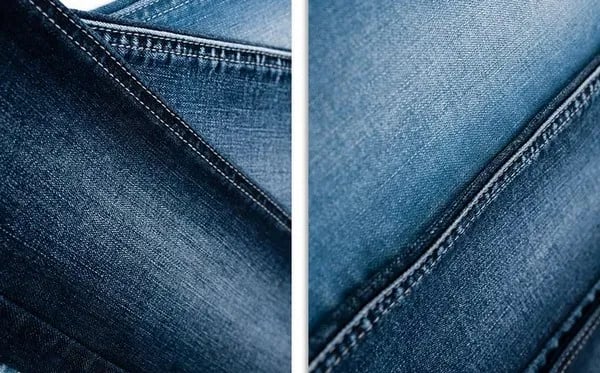
What is Enzyme Wash in Denim?
Types of Enzymes Used in Denim Washing
There are different types of enzymes used depending on the required finish:
1. Neutral Enzymes
Work at neutral pH (6–7)
Produce mild fading
Preserve fabric strength
Ideal for premium denim
2. Acid Enzymes
Work at acidic pH (4.5–5.5)
Provide stronger fading effect
Faster process
Slightly more aggressive
3. Bio-Polishing Enzymes
Focus on surface cleaning
Remove fuzz and pills
Improve fabric smoothness
Step-by-Step Enzyme Wash Process
Here is a standard industrial process used in denim washing plants:
1. Desizing
Removes sizing chemicals applied during weaving.
2. Loading
Garments are loaded into washing machine.
3. Enzyme Treatment
Add enzyme solution
Maintain temperature (40–60°C)
Run for 30–60 minutes
4. Drain & Rinse
Remove enzyme residues and loosened fibers.
5. Softening
Apply softeners for better hand feel.
6. Drying
Garments are tumble dried or air dried.
Key Process Parameters
For successful enzyme washing, controlling parameters is very important:
Temperature: 40–60°C
pH Level: Depends on enzyme type
Time: 30–60 minutes
Mechanical Action: Moderate
Liquor Ratio: Balanced water level
Improper control can lead to inconsistent results.
Advantages of Enzyme Wash
Enzyme washing has become popular due to its multiple benefits:
✔️ Fabric Friendly
Less damage compared to stone wash.
✔️ Soft Hand Feel
Improves comfort and wearability.
✔️ Controlled Process
Easy to manage and repeat results.
✔️ Eco-Friendly
Reduces need for stones and harsh chemicals.
✔️ Clean Finish
Removes surface fuzz and improves appearance.
Disadvantages of Enzyme Wash
Despite its benefits, there are some limitations:
❌ Cost of Enzymes
Higher than traditional stones.
❌ Process Sensitivity
Requires strict control of parameters.
❌ Backstaining Issue
Indigo dye may redeposit on fabric.